Soft herbs like cilantro, basil, parsley and mint are the first thing to wilt in a hot kitchen, often before we have even finished unpacking the rest of the groceries. Humid air sounds like it should keep things from drying out, but it actually speeds up decay in leafy herbs because moisture sitting on the leaf surface encourages rot rather than preventing it. Getting a bunch of herbs to last the better part of a week takes a few extra minutes and almost no equipment.
Treat herbs like cut flowers
The single biggest change we made in the test kitchen was to stop treating herbs like produce and start treating them like flowers, because that is essentially what a bunch of cilantro or parsley is. Trim the bottom of the stems, stand the bunch in a jar with an inch or two of water, and either leave it loosely covered on the counter or slide the whole jar into the fridge with a plastic bag draped over the top. Basil is the one exception. It bruises and blackens in cold temperatures, so it does better left on the counter out of direct sun rather than in the refrigerator.
Change the water every couple of days, the same as you would for actual flowers, and trim the stems again if they start to look slimy. This one habit has stretched the life of a bunch of herbs from two or three days to a full week or more in our kitchen, which matters a lot when a single bunch usually gives you more than one recipe needs.
The stems are not scraps
We stopped throwing away herb stems years ago once we realized how much flavor was going straight into the trash. Cilantro stems carry nearly as much flavor as the leaves and chop up fine into a salsa or a marinade. Parsley stems go into stock, where their flavor comes through without the leaves turning the liquid a strange color. Basil stems are the toughest of the bunch and do not soften the same way, so those we save for infusing oil or a simmered sauce where they can be strained out later.
Half the herbs that used to end up in the compost bin now end up in the pot, and nobody at the table has ever noticed the difference.
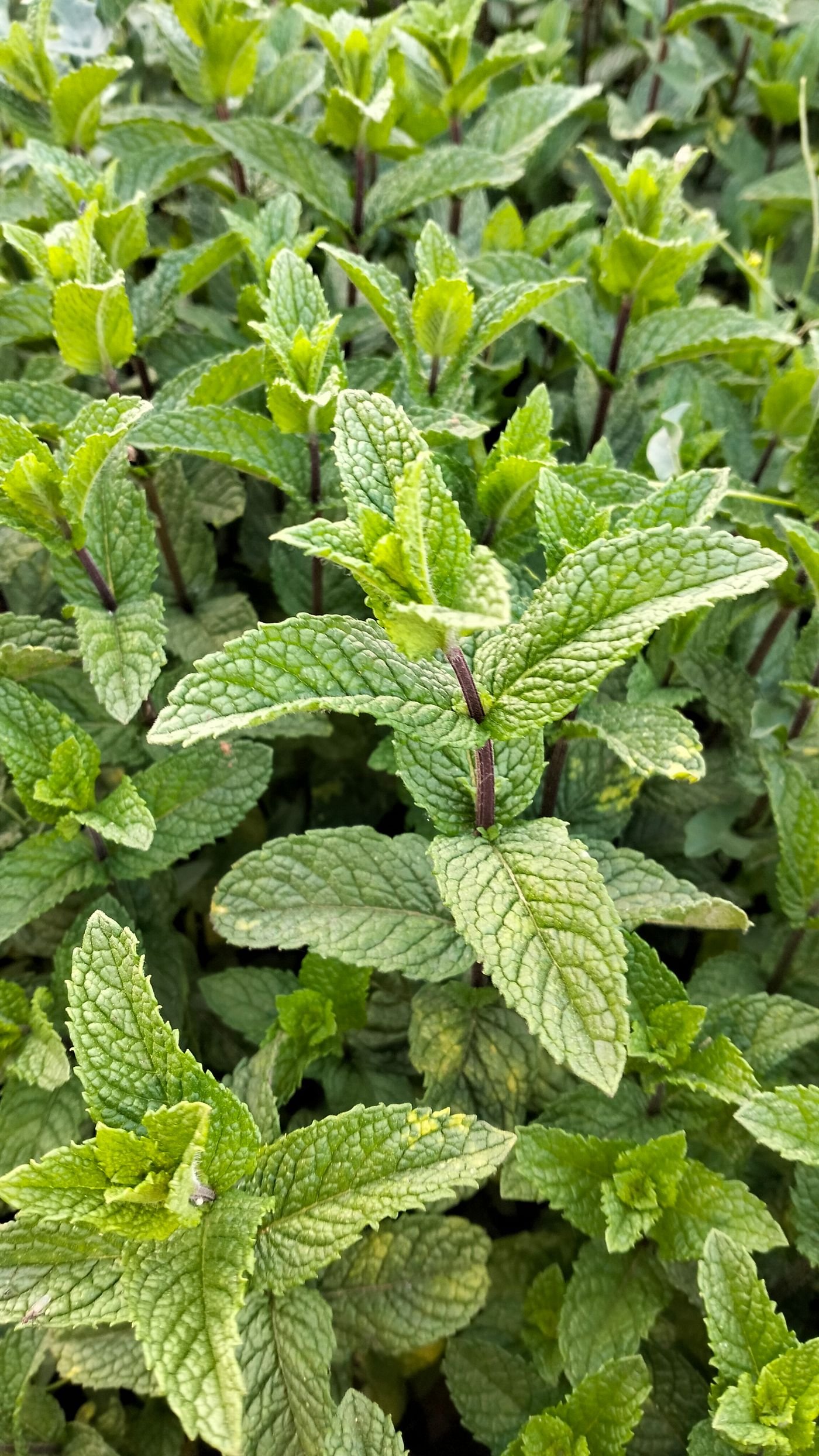
Mint stems are the other overlooked piece. They hold a surprising amount of flavor and work well steeped in a simple syrup or a pitcher of something cold, then strained out once they have done their job.
Freezing and drying for the long stretch
Fresh is always our first choice, but a glut of herbs from a market haul or a garden that suddenly produces more basil than anyone can use fresh is better frozen than wasted. Chopped herbs packed into ice cube trays with a little oil or water freeze into portions that drop straight into a pan later, and this works especially well for herbs that are headed into cooked dishes anyway, since freezing changes their texture more than their flavor.
Drying works better for sturdier herbs than for the softest ones. Basil and mint lose a lot of their character when air dried, but a low oven or a dehydrator set low can preserve more of it than leaving bunches to dry naturally in humid air, which tends to encourage mold before the leaves ever fully dry out. For the softest herbs used mostly raw, like cilantro and basil, we lean toward freezing over drying nearly every time.
A small routine, done the same day the herbs come into the kitchen, saves more food and more flavor than almost any other habit we have picked up, and it costs nothing beyond a spare jar and a few minutes of attention.

Hannah plans every shoot around natural light from our east windows and a very short prop shelf. She writes the plating notes on our recipes and keeps a running list of garnishes that survive humidity.