Charcoal vs Gas: What Our Test Kitchen Found After a Summer of Side by Side Cooks
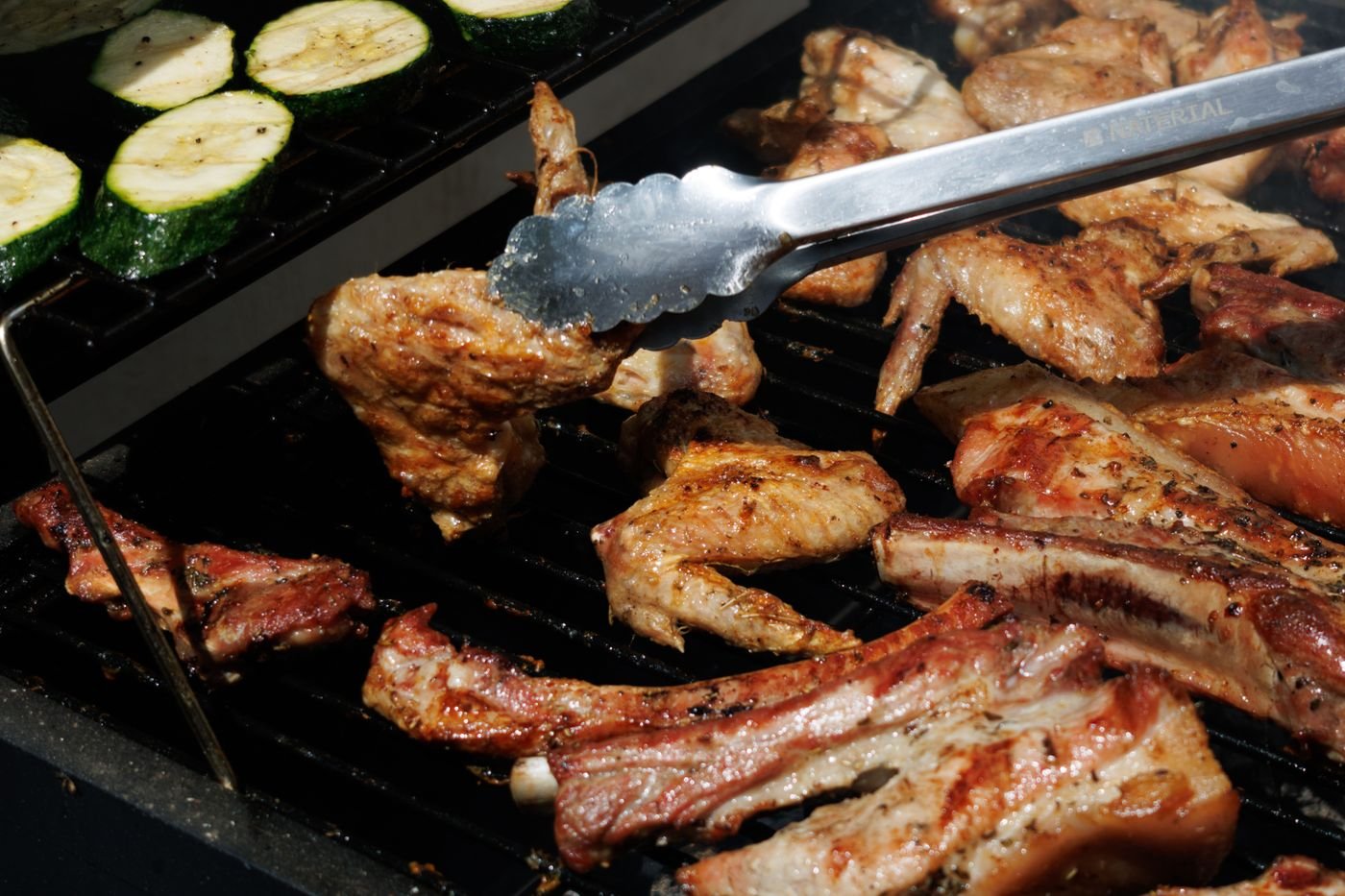
We spent a good part of last summer running the same handful of recipes side by side on a charcoal grill and a gas grill, mostly to settle an argument that kept coming up in the test kitchen about which one actually cooks better rather than which one people simply prefer out of habit. The results were less one sided than either camp expected.
What we actually tested
We cooked the same cuts, at the same starting temperature outside, on the same afternoon, switching which grill went first each time to cancel out any advantage from cooking order. Thick cuts of meat, thin cuts, whole vegetables, and a few dishes cooked entirely over indirect heat all went through both grills multiple times over the course of the summer. We paid attention to cook time, how evenly heat spread across the grate, how much the fuel itself changed the flavor of the food, and how much attention each grill demanded from the person standing in front of it.
Where charcoal wins
Flavor was the clearest win for charcoal, and it was not subtle. Anything cooked directly over lit coals picked up a depth that gas simply could not match, especially on fattier cuts where rendering fat dripped onto hot coals and sent smoke back up into the food. Charcoal also holds much higher heat than most home gas grills reach, which matters for a proper sear on a steak or a chop, giving a crust in less time with less risk of overcooking the inside.
Charcoal asks more of the cook and gives more back in return. Gas asks almost nothing and gives you dinner.
The tradeoff is real, though. Charcoal takes real time to light and come up to temperature, cannot be turned down quickly if something starts cooking too fast, and demands more attention throughout the cook since the heat drifts as coals burn down.
Where gas wins
Gas earned its reputation for convenience honestly. It lights in seconds, holds a steady temperature for as long as needed, and can be adjusted up or down instantly, which matters enormously for anything that needs gentle, even heat over a longer stretch, like a whole chicken cooked indirectly or a rack of vegetables that need to cook through without charring on the outside. For a weeknight dinner where the grill is one of several things happening at once, gas lets a cook step away without worrying about the fire dying down.
Consistency was gas's other clear advantage. Every cook on the gas grill came out close to identical, while charcoal cooks varied more depending on how the coals were arranged and how long they had been burning before food went on. For anyone cooking the same few dishes often and wanting predictable results, that consistency has real value.
Our honest conclusion
Neither grill won outright, and we ended up keeping both in regular rotation rather than picking a side. Charcoal comes out for anything where flavor from the fire itself is the whole point, thick steaks, whole fish, anything meant to taste like it was cooked outdoors. Gas comes out for weeknight cooking, larger cuts that need long, steady heat, and any evening where attention is already split between the grill and everything else going on.
The bigger lesson from months of side by side cooking was less about the grills themselves and more about matching the tool to the meal rather than defending a single choice out of loyalty. A kitchen built around one method exclusively is leaving some good results on the table, and there is no rule that says a household has to pick only one.

Lucia trained as a pastry cook in Sao Paulo and runs our test schedule like a bakery: weights, timers and three rounds minimum. If a recipe says 25 minutes, she has stood at a regular stove and checked.