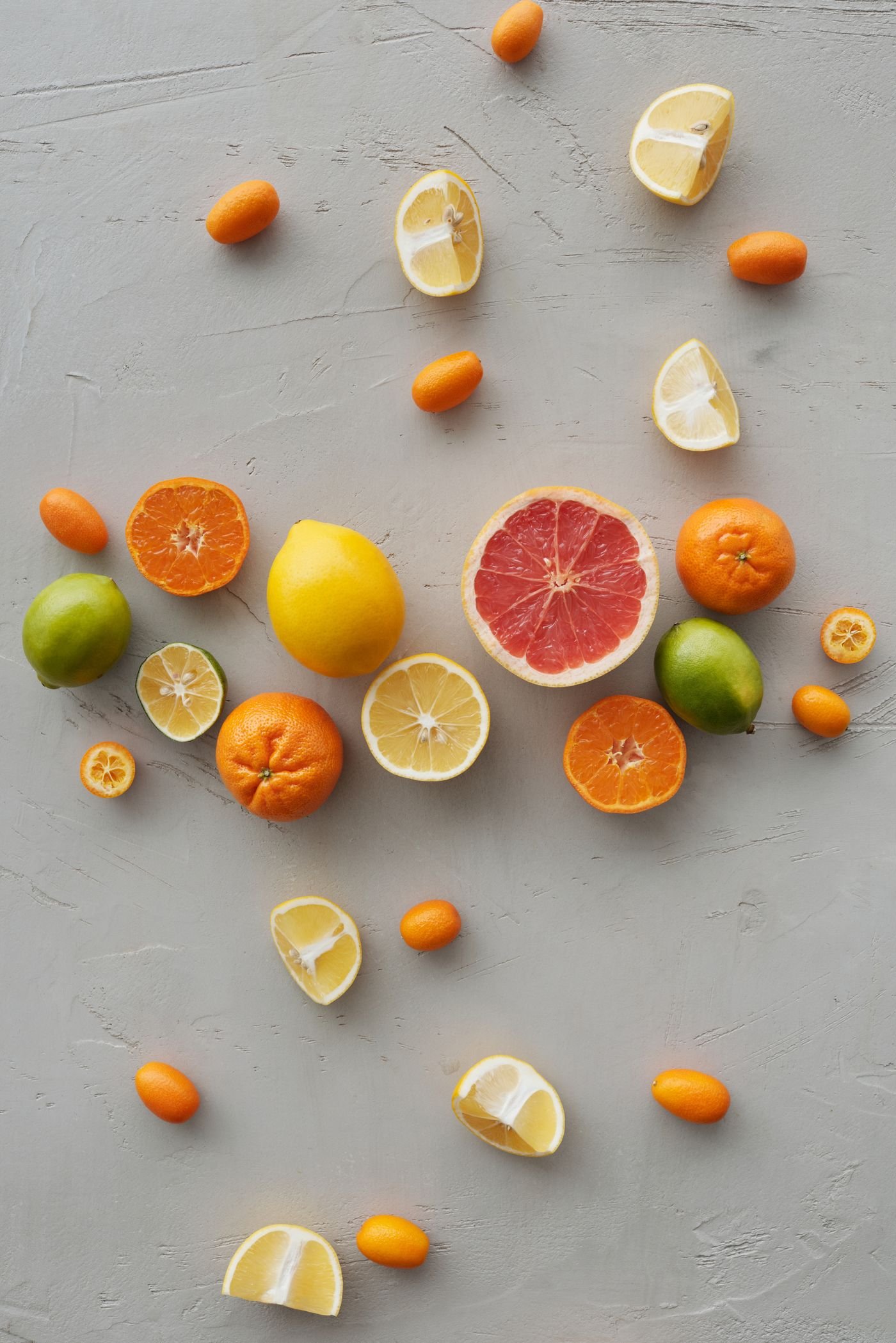
Limes, oranges and grapefruit move through our kitchen faster than almost any other ingredient, and for a long time we were only using about half of what each piece of fruit had to offer. Once we started working through citrus layer by layer instead of just juicing it and moving on, we found uses for nearly the whole piece of fruit.
Zest first, always
Zest before you juice, every single time, because once a piece of citrus has been cut and squeezed there is no getting the zest back in usable form. The colored outer layer of the peel holds the fruit's aromatic oils, and those oils are far more concentrated and fragrant than the juice itself. A microplane grater takes the color off in seconds without digging into the bitter white layer underneath.
Zest freezes well, so when a recipe calls for juice but not zest, we take the zest anyway and freeze it flat in a small bag or container. A spoonful of frozen citrus zest dropped into a dressing, a marinade, or even melted butter for vegetables adds more brightness than most people expect from something that would otherwise be thrown away with the rest of the peel.
The pith problem
The white layer just beneath the zest, called the pith, is where most of the bitterness in citrus lives, and it is worth understanding rather than simply avoiding. A little pith left on segments of orange or grapefruit for a salad will read as sharp and slightly bitter, which is not always a bad thing. Grapefruit segmented carefully, with the pith and membrane removed entirely, tastes noticeably sweeter and cleaner than a wedge cut straight through the fruit, membrane and all.
We stopped thinking of pith as something to avoid and started thinking of it as a dial. More pith means more bitterness on purpose, not a mistake to clean up.
For candying peel or making marmalade, some pith is actually wanted, since it carries natural pectin that helps the finished product set. Knowing when pith helps and when it hurts a dish changes how carefully you need to segment or peel a piece of fruit for a given use.
Juice now, freeze the rest
Citrus juice loses brightness fast once it sits, so we juice what we need for the day and freeze the rest of a large haul rather than letting whole fruit sit around losing juice to the air. Juice freezes cleanly in small portions, ice cube trays for a splash here and there or small containers for a cup at a time, and it thaws quickly enough to use within a few minutes of pulling it out.
Whole citrus stored in the crisper drawer holds up for a couple of weeks longer than most fruit, which buys some time, but once a lime or orange starts to feel light for its size, it has already lost a meaningful amount of juice to the air inside its own peel. That is usually our signal to process a batch rather than let the rest of the bowl follow the same path.
Beyond the wedge
Whole slices of citrus, peel included, hold up surprisingly well roasted alongside vegetables or a piece of fish, where the heat mellows the bitterness of the peel and leaves behind something closer to a citrus marmalade baked right into the dish. Dried citrus wheels, made low and slow in the oven, add a garnish that also happens to be edible rather than decorative, and they keep for weeks in a sealed container. None of this requires special equipment, just a willingness to look at a lime or an orange as more than a source of a few tablespoons of juice.

Marisol spent twelve years on the line in Miami and Fort Lauderdale before trading restaurant hours for a home kitchen and a notebook of family recipes. She decides what goes into the recipe box and still retests every Sunday braise herself.