A spice drawer grows without anyone noticing, jar by jar, until it is mostly a graveyard of half used tins that lost their smell years ago. We went through ours in the test kitchen and rebuilt it from scratch with one rule: nothing goes back in unless we can name a dish we make often enough to justify it.
Whole versus ground
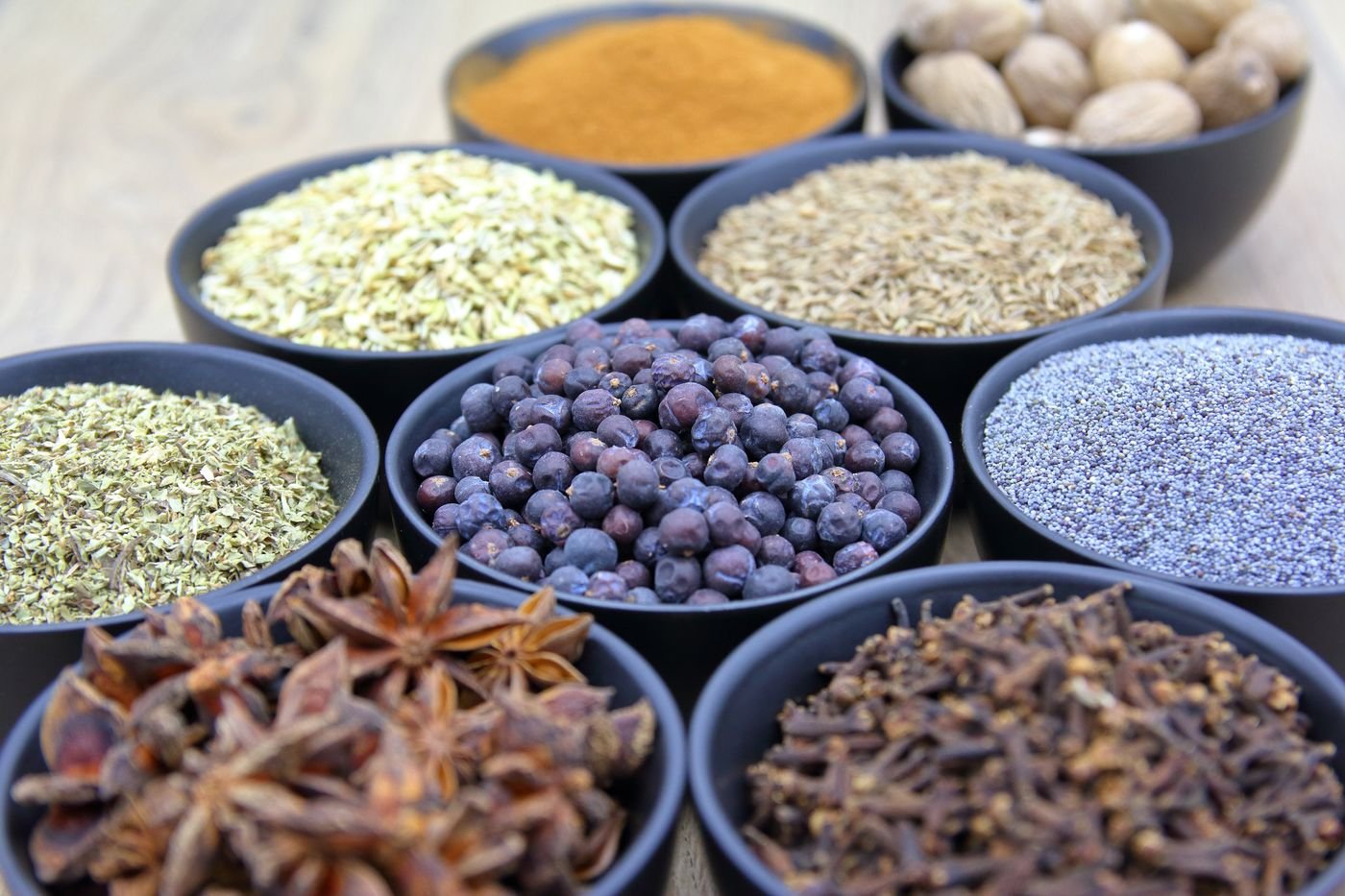
Whole spices keep their flavor far longer than ground ones because grinding exposes far more surface area to air, and it is the oils in a spice that carry most of its flavor and aroma. Cumin seed, coriander seed, black peppercorns, whole cloves and cinnamon sticks all last a long time on a shelf and taste noticeably sharper when ground fresh right before use compared to a jar that has been open for a year.
That said, we still keep a short list of things ground, mainly for speed on a weeknight. Ground turmeric, paprika and chili powder do not gain much from being ground fresh since their flavor comes as much from the drying and processing as from volatile oils, so we buy those already ground in small amounts and replace them more often than we replace whole spices.
Toasting before grinding
Toasting is the step that separates a spice drawer that earns its keep from one that just sits there. A dry pan over medium heat, seeds added in a single layer, shaken or stirred until they smell noticeably stronger and maybe a shade darker, takes less than two minutes and changes the flavor of a dish more than almost any other single technique we teach. Cumin, coriander, mustard seed and fennel all benefit from this treatment.
We have watched the same recipe taste like two different dishes depending on nothing except whether the cumin was toasted first.
Toast in small batches, since spices go from fragrant to burnt fast, and let them cool for a minute before grinding so the heat does not turn the ground result into a paste. A small electric grinder reserved only for spices, never coffee, makes this a thirty second job rather than a chore, though a mortar and pestle works fine and gives you more control over texture.
Storage that actually extends shelf life
Heat, light and humidity are the three things that age a spice fast, and a kitchen near the coast has all three working against it most of the year. We store spices in a drawer rather than a rack mounted near the stove, since the rack looks nice but sits in the worst possible spot for heat and steam. Glass jars with tight lids beat the paper bags or thin plastic bags spices sometimes come in, and if humidity is a real problem in your kitchen, a few jars can live in the freezer without any loss of quality, especially ground spices you use rarely.
Buying in bulk from a shop with real turnover beats buying small jars from a supermarket shelf that may have sat there for a year already. We also date jars when we fill them, a habit that took all of ten seconds to start and has saved us from cooking with spice that had gone quietly flat months earlier.
What we do not keep
We do not keep more than one form of the same spice unless we genuinely use both. We do not keep specialty blends we bought once for a single recipe and never touched again, since most blends can be approximated from spices already in the drawer. And we do not keep anything longer than about a year, ground spices closer to six months, because the honest truth is that spice does not spoil so much as it goes quiet, and a quiet spice is worse than no spice at all since it gives you none of the flavor you are counting on.
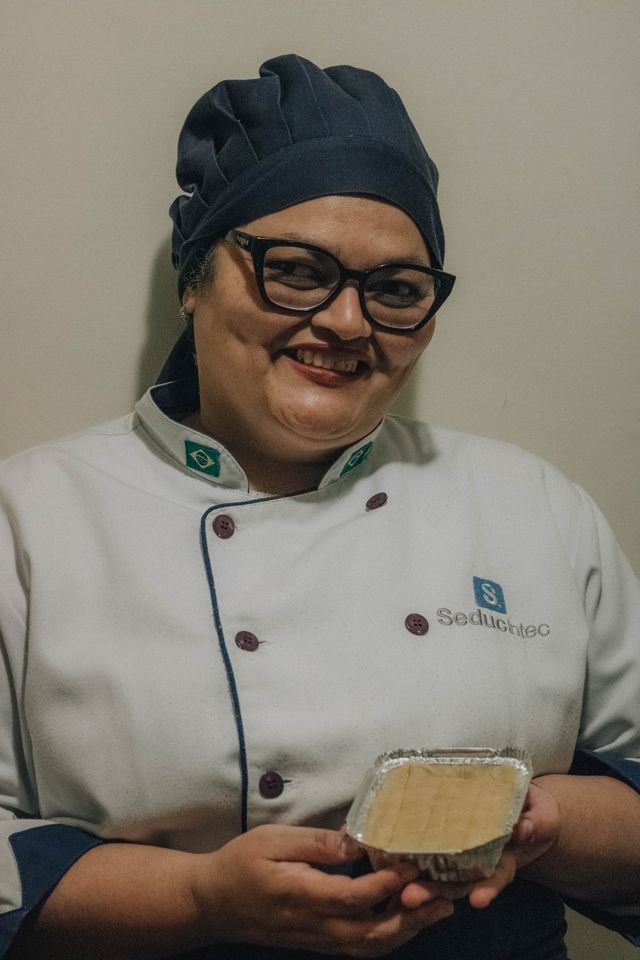
Lucia trained as a pastry cook in Sao Paulo and runs our test schedule like a bakery: weights, timers and three rounds minimum. If a recipe says 25 minutes, she has stood at a regular stove and checked.